

Freight shipping is often treated as a secondary consideration until volume increases and operational pressure builds. What begins as occasional pallet shipments can quickly evolve into a complex, high-impact part of the business. Without the right structure, freight introduces cost variability, delays, and limited visibility.

For growing businesses, the real challenge is not access to carriers. It is understanding how freight works, when to use it, and how to manage it with the same level of control as parcel shipping.


What Growing Businesses Get Wrong About Freight


Treating Freight Like Parcel

One of the most common mistakes is applying parcel shipping logic to freight.

Freight pricing is not fixed in the same way. It is influenced by factors such as:

– Freight class and density

– Pallet dimensions and weight distribution

– Accessorial services like liftgate or residential delivery

– Lane-specific demand and carrier availability

Without understanding these variables, businesses often underestimate costs or choose services that are not aligned with their shipment profile.


Delaying Freight Strategy Until It Becomes Urgent

Freight typically enters the operation when:

– Order sizes increase

– Wholesale or B2B channels expand

– Inventory needs to move between locations

At this stage, decisions are often reactive. Teams are booking shipments without standardized processes, leading to inconsistent pricing and avoidable delays.


Lack of Visibility and Cost Control

Freight invoices can include adjustments, reclassifications, and accessorial charges that were not anticipated at booking.

Without a clear view of:

– What was quoted

– What was billed

– Why adjustments occurred

Costs become difficult to predict and manage over time.

When Freight Starts to Hurt

Margin Erosion

Freight costs can significantly impact margins, especially when shipments are not optimized.

For example, incorrect freight classification or underestimating pallet dimensions can result in reweigh and reclass charges that increase total shipment cost after delivery.


Operational Bottlenecks

Manual coordination with carriers, lack of standardized documentation, and limited tracking visibility can slow down operations.

This becomes more pronounced as shipment volume increases and teams spend more time managing exceptions instead of focusing on growth.


Customer Experience Risk

Missed delivery windows, limited tracking updates, or unexpected delays can impact customer relationships, particularly in B2B environments where timing is critical.

truck

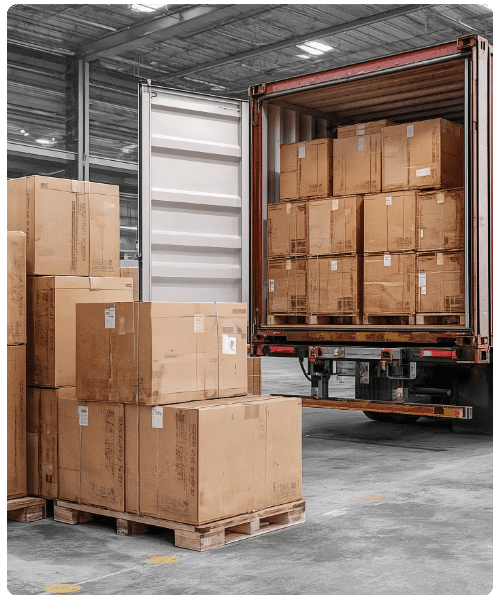
truck open with boxes

Understanding LTL Freight

What Is LTL Shipping

Less-Than-Truckload (LTL) shipping allows businesses to move freight without requiring a full truck. Multiple shipments from different businesses share space on the same trailer.

This is ideal for:

– Palletized shipments

– Mid-sized inventory transfers

– Regular but not full-truckload volume

Key Considerations for LTL


Freight Class and Density

Freight class determines pricing and is based on density, handling, and liability. Misclassification is one of the most common sources of unexpected charges.


Accessorial Services

Services such as liftgate, inside delivery, or limited access locations can add cost if not selected correctly during booking.


Transit Time Variability

Unlike parcel shipping, LTL transit times can vary based on routing, consolidation, and terminal handling.


Get A Quote


Expanding Carrier Access for LTL Shipping

As freight demand increases, having access to a broader carrier network becomes important for both pricing and service coverage.

ShipTime has expanded its LTL network with additional carriers to support different lanes, service levels, and shipment profiles.


Introducing New LTL Carrier Options

To support a wider range of freight scenarios, ShipTime now includes access to:

ACT

ABF Freight

Daylight Transport

Each of these carriers brings different strengths across regions, transit profiles, and freight requirements. This expansion allows businesses to evaluate more options for each shipment rather than relying on a limited set of providers.

new ltl courier logos - act, abf and daylight

Why Carrier Diversity Matters

Different carriers specialize in:

– Regional vs long-haul freight

– Specific industries or shipment types

– Service levels and transit time expectations


By expanding access to carriers such as ACT, ABF Freight, and Daylight Transport, businesses can:

– Improve coverage across key lanes

– Access more competitive pricing depending on shipment profile

– Select services that align with delivery timelines and handling requirements

Relying on a single or limited group of carriers can create gaps in service and cost efficiency. A broader network provides flexibility as shipping needs evolve.


Supporting More Freight Scenarios

With expanded LTL carrier access, businesses can:

– Compare multiple freight options in one place

– Choose services based on cost, speed, and service type

– Adapt to changes in volume, geography, and customer expectations

This becomes especially important for cross-border and multi-region shipping where carrier strengths vary significantly.


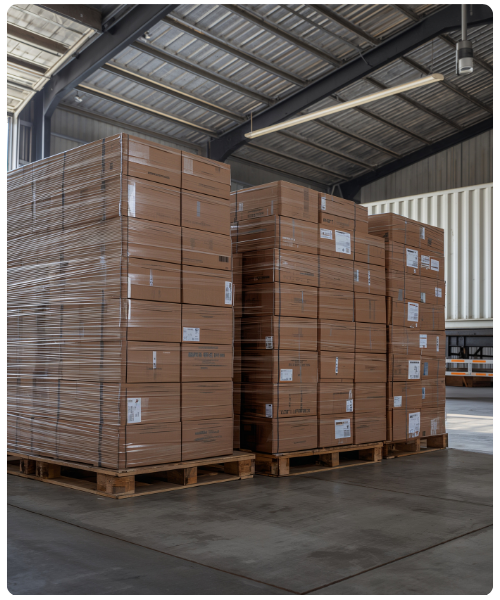
pallets of boxes

How ShipTime Supports Freight Operations

ShipTime provides access to LTL freight services within a unified logistics platform built for scale, speed and control.

Businesses can manage both parcel and freight shipments in one place while maintaining visibility across their entire shipping operation.

Key capabilities include:

– Access to an expanded LTL carrier network

– Rate comparison across multiple freight options

– Shipment creation and documentation tools

Centralized tracking and reporting

Heroic Support™ available by phone, live chat, or email


This approach allows businesses to build a more structured and predictable freight operation as they grow.

Get A Quote


Freight becomes a critical part of the operation faster than many businesses expect.

The challenges are not just about cost, but about visibility, control, and consistency. Businesses that invest early in understanding LTL shipping and building the right processes are better positioned to manage growth without operational friction.

With expanded carrier access and stronger operational infrastructure, freight can shift from a reactive process to a controlled and scalable part of the business.


ShipTime Logo

About ShipTime:

ShipTime is a full-service logistics platform built for product-oriented small and mid-sized businesses that want to simplify shipping, control costs, and improve operational efficiency.

Through one intuitive system, businesses access a broad range of carriers at attractively discounted rates, managing everything from envelopes and parcels to LTL freight in one place.

ShipTime integrates easily with most business systems to streamline workflows while providing clear analytics to help monitor performance and manage costs — all without monthly platform fees or the need to manage multiple carrier accounts.

While many platforms compete primarily on discounted rates, ShipTime is built around real logistics expertise, practical technology, and hands-on support — key drivers that help businesses grow. We act as an extension of your team, helping you make informed decisions, resolve issues quickly, and run your shipping operation with greater control and confidence.